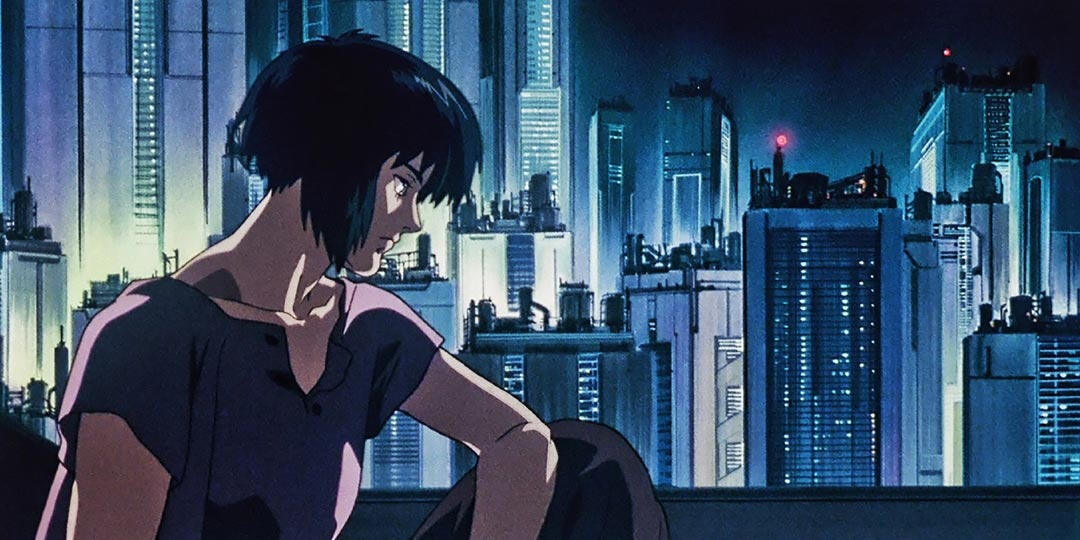
Mamoru Oshii, Ghost in the Shell (1995)
(audio: Juno Steel, Private Eye by The Penumbra Podcast)
contemplate the meaning of your existence
play this to enhance your browsing experience
Mitra Ponthan
melancholy as an aesthetic
in art & film
"Besides my other numerous circle of acquaintances I have one more intimate confidant-my melancholy. In the midst of my joy, in the midst of my work, she waves to me, calls me to one side, even though physically I stay put. My melancholy is the most faithful mistress I have known, what wonder, then, that I love her in return."[7]
― Søren Kierkegaard
introduction
Melancholy, often perceived as a state of profound sadness or longing, has long been an evocative theme in artistic expression, offering a rich terrain for exploration and interpretation. This thesis falls within the scope of fine art studies, a comprehensive cross-sectional study of the intricate relationship between melancholy and aesthetics within the realms of art and film noir. Drawing upon interdisciplinary perspectives from art history, film studies, and cultural theory, this research investigates how melancholy manifests as an aesthetic mode, shaping visual narratives and evoking emotional responses. Through a comprehensive analysis of selected artworks by American realist painter and print-maker Edward Hopper and films from the noir genre, both classic and sci-fi , this study aims to illuminate the diverse manifestations of melancholy as an aesthetic motif. By examining the visual language , thematic motif , and socio-cultural contexts of these works, I seek to unravel the nuanced ways in which melancholy operates as a potent force in shaping artistic expression. Moreover, this thesis explores the significance of melancholy as a means of confronting existential questions and probing the complexities of human experience.
01. what is melancholy?
01.1 The Etymology of Melancholy: Distinguishing Melancholy from Depression
Melancholy is often lumped together with emotions like sadness and depression, and these emotional terms are often used interchangeably. For my analysis, it is important to identify melancholy as a more complex and refined emotion, to distinguish it from the clinical tradition. The term melancholia, or melancholy, finds its roots in the Greek phrase "melaina chole" , translating to black bile. This term has been prevalent in ancient, medieval, and premodern European medical discourse that describes a state marked by profound sadness, physical discomfort, and occasionally, hallucinations and delusions. Within this framework, melancholy was understood as one of the four temperaments corresponding to the four humors. Throughout history, the two most important meanings of melancholia had to do with affective disorders (mainly depressive mood), and abnormal beliefs. [16]During the Galen time period (between 130 AD and 210 AD), physicians identified melancholy as a collective of morbid states such as gloom, fear, anxiety and delusion. In her analysis of Holbein's controversial 1522 painting The Body of the Dead Christ in the Tomb and the works of Marguerite Duras, Dostoyevsky, and Nerval, Kristeva writes that "the terms melancholy and depression refer to a composite that might be called the melancholy/depressive, whose borders are in fact blurred. . . . "[15]
Although melancholy and depression have been, and sometimes continue to be, terms that are used interchangeably, it is important to highlight the distinctive nature of melancholy. While emotions like sadness, loneliness and depression can be debilitating, pessimistic states that involve pain, melancholy is not. By contrast, it involves the pleasure of reflection and contemplation of the human condition , of things we love and long for, of existence itself. Its reflective or thoughtful aspect also makes it somehow productive, especially for creatives. At times, we find ourselves drawn to melancholy, as it offers a chance for introspective contemplation. We savor these moments of reflection, recognizing that they allow us to revisit cherished memories and desires. This introspective journey can be both invigorating and uplifting, adding depth to our emotional experience. [13]
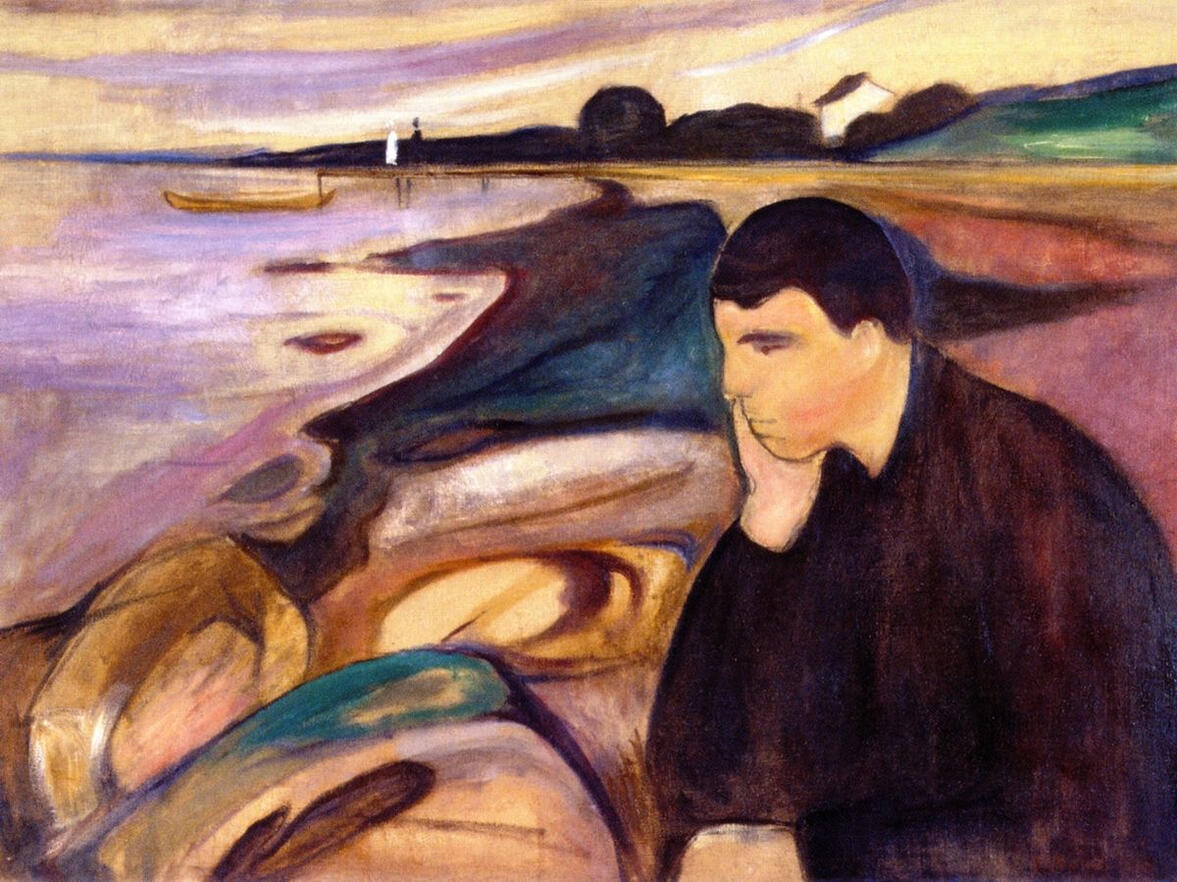
Edvard Munch, Melancholy (1894)
We've moved on from such notions, of thinking of melancholy as purely a negative emotion. There is a distinction between the emotional state of depression and the reflective state of melancholy. It is a complex state with the negative aspects of it lying in loneliness, emptiness, alienation, sadness from loss, fear or dread that accompanies longing, disillusionment, paranoia, etc., and the positive aspects coming primarily through reflection on the human condition.
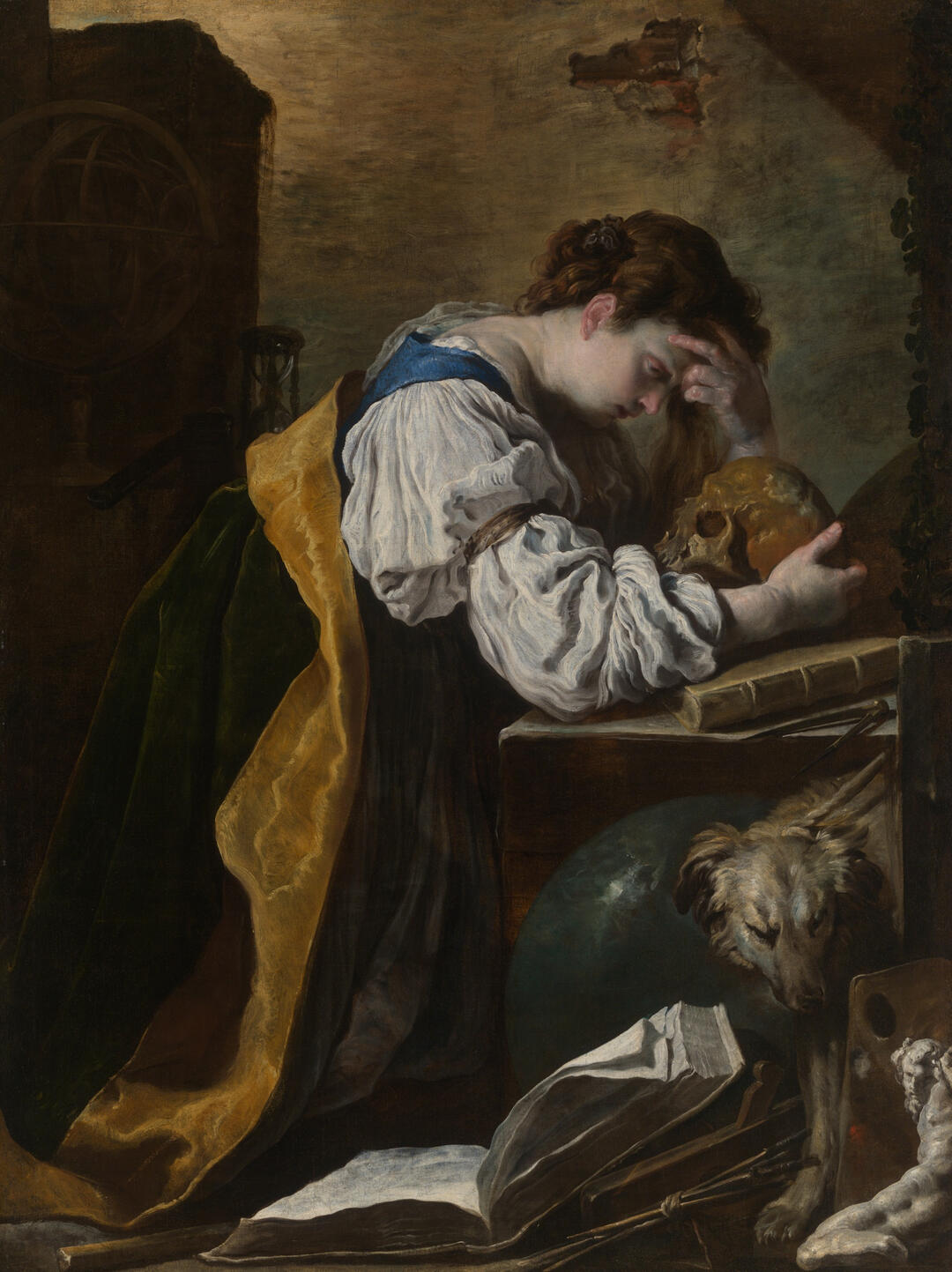
Domenico Fetti, Melancholia (1615)
01.2 The Reflective Nature of Melancholy
As an emotion, melancholy's most distinctive aspect is that it involves reflection. It is an emotion tied to people or places; we feel melancholic when we think about the people we love, or meaningful places in our lives. The feeling can resemble sadness, but is more refined and involves some degree of pleasure.
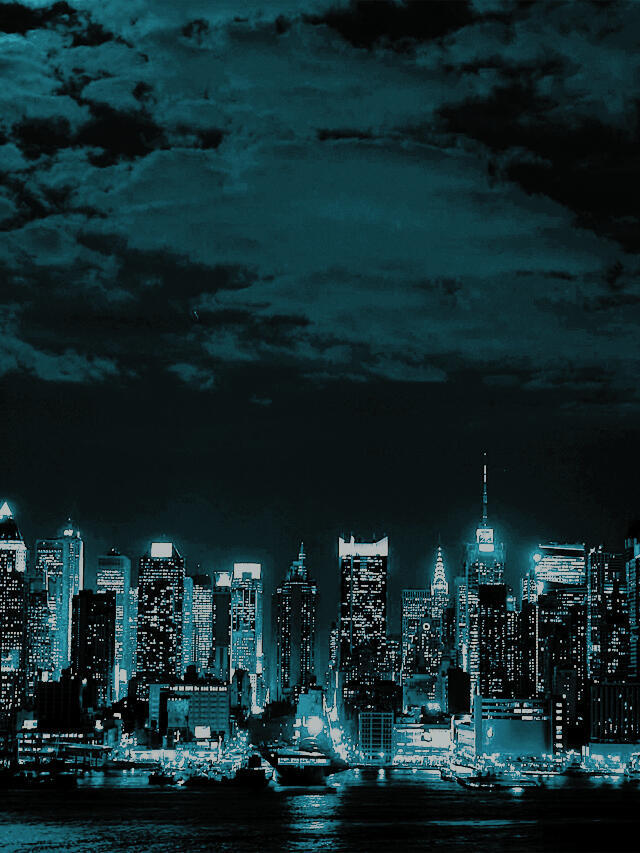
The reflective aspect of melancholy stems from its association with objects that are often indirectly perceived through memories, thoughts, or imagination. This emotional state tends to arise from contemplation or recollection, wherein specific memories or thoughts serve as triggers. For instance, the melancholic response to a desolate landscape may be intertwined with the recollection of past experiences or narratives.Memories that evoke melancholy vary in vividness, ranging from intensely real to faint and fragmented. The reflective nature of melancholy often involves the effort of recollection, requiring focused attention to retrieve faint memories. This introspective process contributes to the solitary disposition often associated with melancholy. Whether actively recollecting or contemplating, memories play a crucial role in shaping the narrative of melancholy. It is through the unfolding of this narrative that the specific objects of melancholic emotion are revealed.There can also be cases, however, in which there is no object of reflection in melancholy. In these cases, a melancholic mood descends upon us and is caused by being in the sort of place that easily invites reflection or a pensive mood. For this study, I want to focus specifically on the melancholic mood that is triggered by the urban landscape. The vastness and harsh contrasts of cityscapes evoke a feeling of exhileration and loneliness; there arises the aesthetic contemplation of the looming skyscrapers and where solitude and a contemplative state of mind bring on a melancholic mood that appears to have no object.[3]
02. melancholy in the arts
02.1 Albrecht Dürer's Melancholia
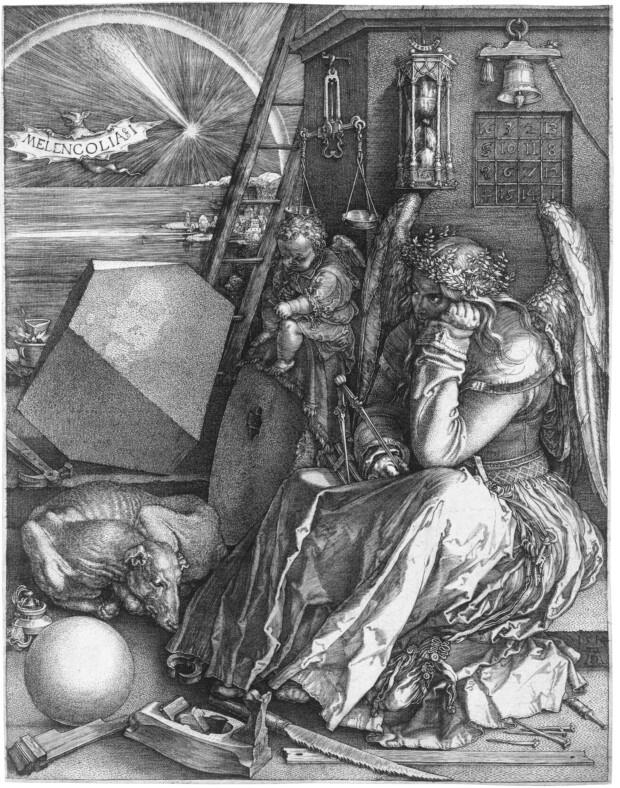
Albrecht Dürer, Melencolia I (1514)
In 1513–1514 Dürer produced three exceptional copper engravings—Knight, Death and Devil, Saint Jerome in His Study, and Melencolia I—that have come to be known collectively as the Meisterstiche, or Master Engravings. Unlike many of his other prints, these engravings, large by Dürer’s standards, were intended more for connoisseurs and collectors than for popular devotion. Their technical virtuosity, intellectual scope, and psychological depth were unmatched by earlier printed work. Melencolia I is one of the most famous interpretations of melancholy in art. The engraving depicts a winged figure, brooding, her face in shadow but her eyes alert. She has her head rested on her left hand in a pose that is now recognized as one that shows the subject is deep in thought, contemplating something profound. The most prevalent analysis of Melencolia I is that it represents the melancholy of the creative artist , and some scholars suggest that it is a self-portrait Dürer created after the loss of his mother, in which he declares his melancholic despondency, with the personification of melancholia waiting for inspiration to strike and stymied by intellectual inactivity due to immense grief, representing the pervasive emotional state of the creative individual filled with internal conflicts.[10]
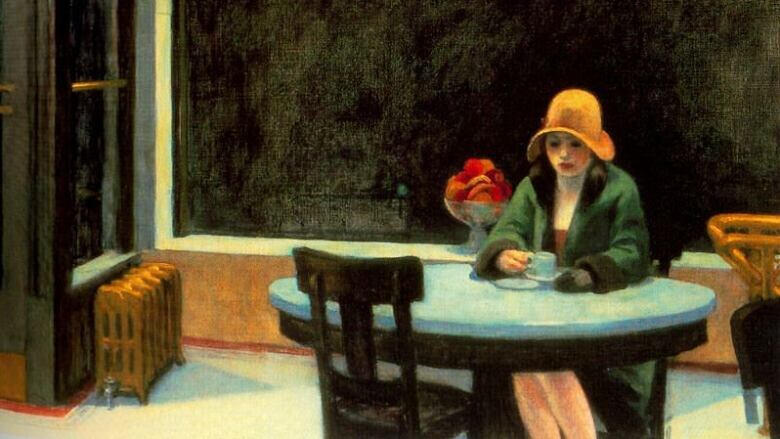
Edward Hopper, Automat (1927)
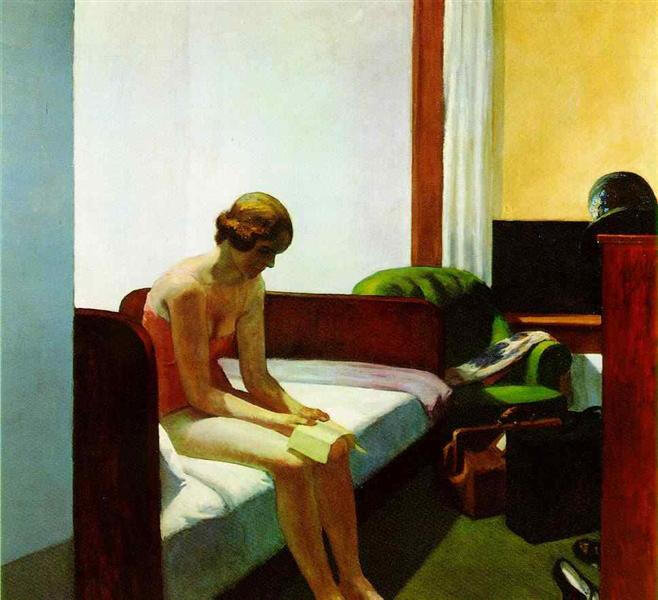
Edward Hopper, Hotel Room (1931)
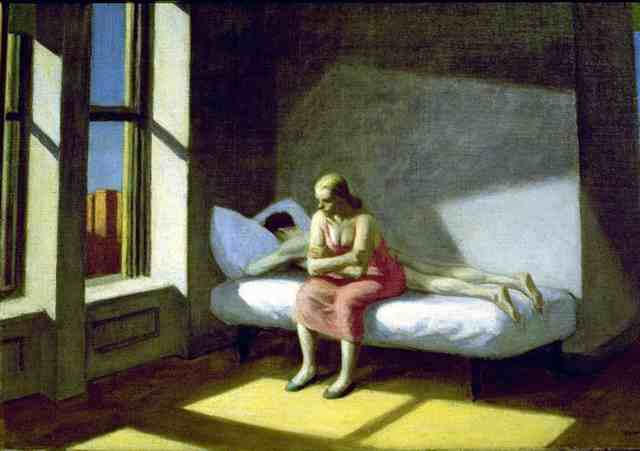
Edward Hopper, Summer in the City (1949)
02.2 Melancholy in the Frames of Edward Hopper
Edward Hopper, with his paintings in the style of American realism, depicted solitary figures in urban settings, emphasizing the acute alienation of the city , a venue that expanded widly in the early to mid-twentieth century in America. Through these characters trapped within modern scenes of the city, often shown lost in thought, gazing down or out at the city, Hopper studied the quiet contemplation of lonely moments.In Edward Hopper’s signature piece—and one of the most recognizable paintings of
all time— Nighthawks, he depicts four figures all lost in thought.
Each figure seems to have an inscrutable gaze, and it is unclear what they are thinking. The object of their gaze is unknowable.Most of the attention in Hopper's paintings focuses on the interior of the diner. However, the exteriors also convey a significant message regarding the pervasive alienation of the mid-twentieth century. Despite the focus on the inhabitants' solitude, it's essential not to overlook what puts them in the contemplative melancholic mood: there are no signs of human life outside the rooms that the characters are in. In works like Nighthawks and Automat, there is a notable absence of signs of life beyond the confines of the depicted space. No pedestrians pass by, no individuals enter or exit the establishments, and even the streets remain devoid of automobiles, heightening the prevailing sense of isolation.
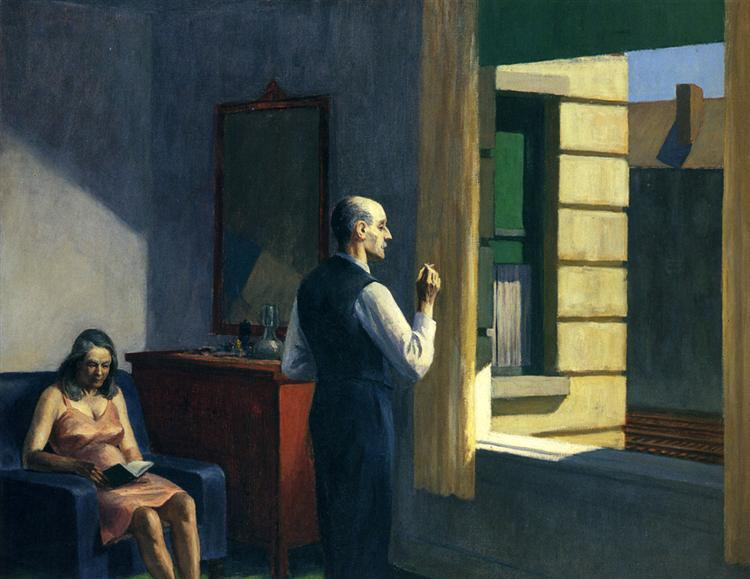
Edward Hopper, Hotel By A Railroad (1952)
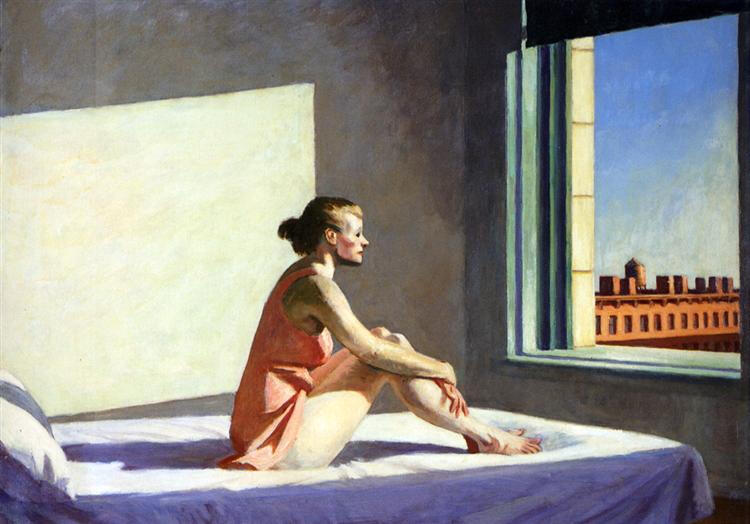
Edward Hopper, Morning Sun (1952)
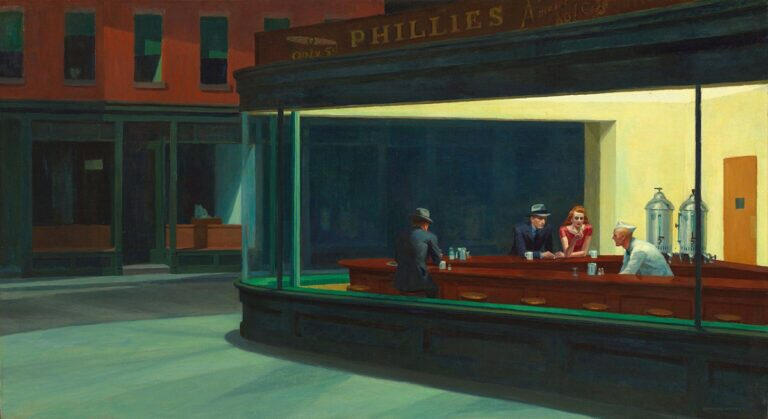
Edward Hopper, Nighthawks (1952)
02.3 Edward Hopper & Film
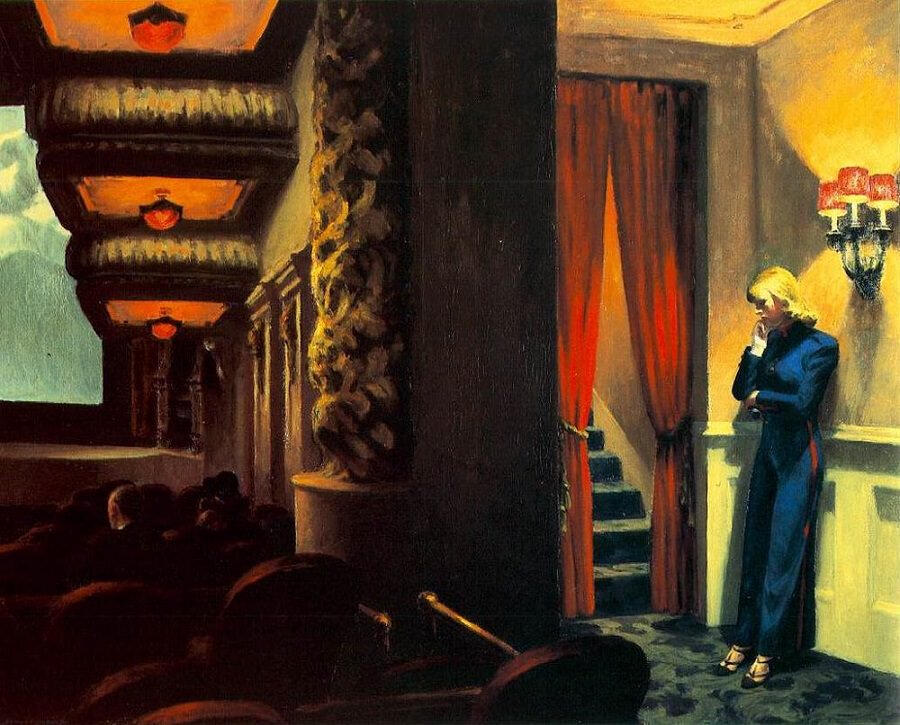
Edward Hopper, New Your Movie (1939)
The relationship between film, specifically noir films, and Edward Hopper’s paintings was one of mutual inspiration. It is undeniable the similarities that his works and film share – contrasting light and shadow in order to infer a certain mood or darker tone; the meticulous set design – since each object and area acquires different degrees of importance; similar framing – decentralized, with empty spaces that direct our focus to the human subjects first, instead of guiding our eyes through a number of points of interest, before we can analyse the space and surrounding elements; the highlight of textures and haunting expressions – either highlighting steam or leaving a portion of a person’s face in the shadow which is one of the golden rules of film noir; and similar locations both paintings and film genre depict – diners, empty streets often at night.Thematically, there is another connection Hopper's paintings have with film. Throughout his works, characters gaze out of windows onto urban landscapes, yet they seldom engage with or alter their surroundings. In this way, they resemble spectators akin to film-goers, observing without direct interaction. When one gazes out a window, they assume ownership of the scene, projecting their thoughts onto it, thus becoming spectators of their own minds. This parallels the cinema experience, where audiences observe and reflect on what they see on screens, tying things back to their own memories and experiences in some way. In paintings like Morning Sun, characters exude a sense of sadness or introspection, yearning for an escape from their internal struggles. This is another connection Hopper's works have with film.[12]
03. melancholy in film noir
03.1 Vertigo; Obsession & Longing for the Past
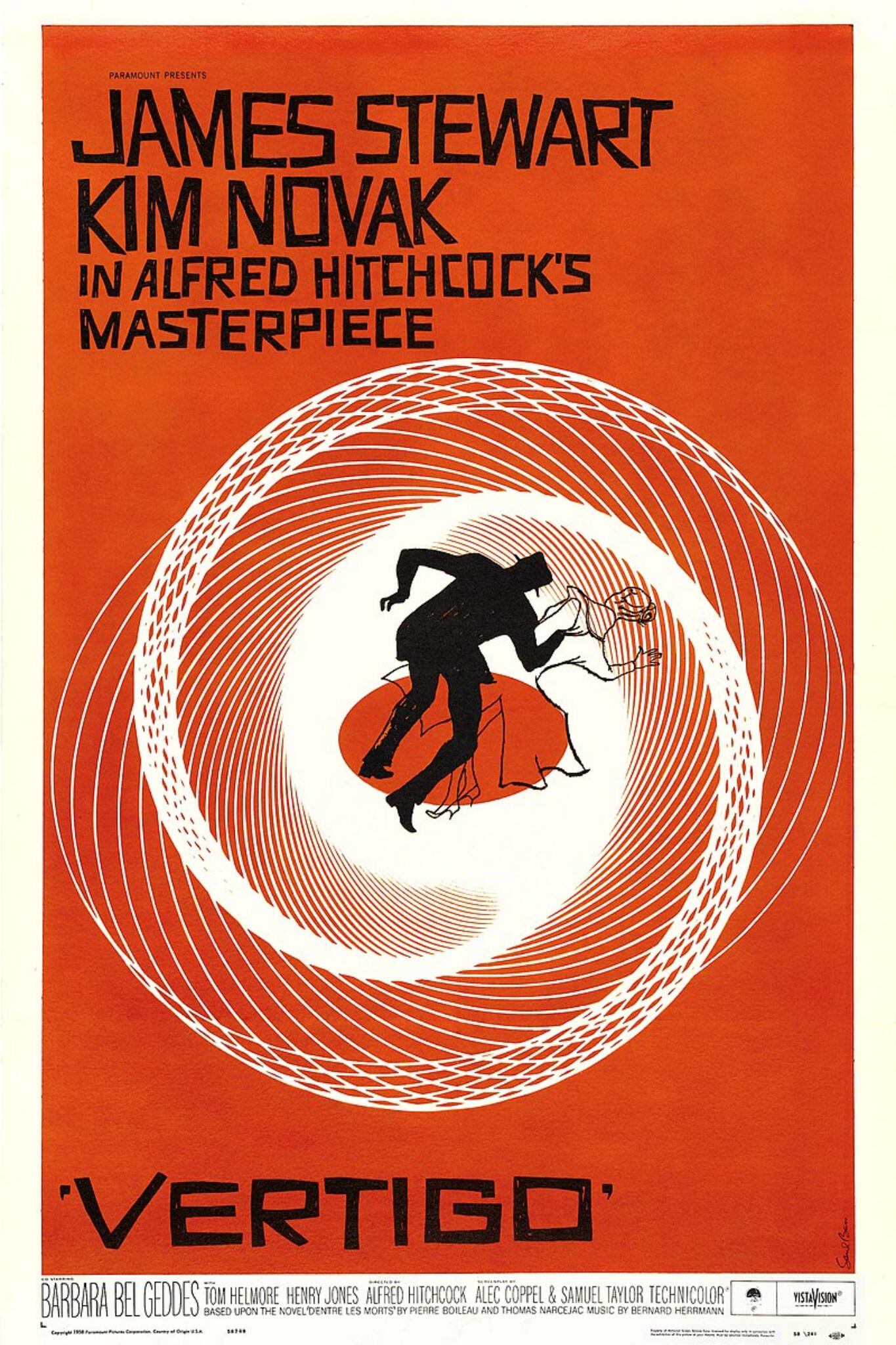
Alfred Hitchcock, Vertigo (1958)
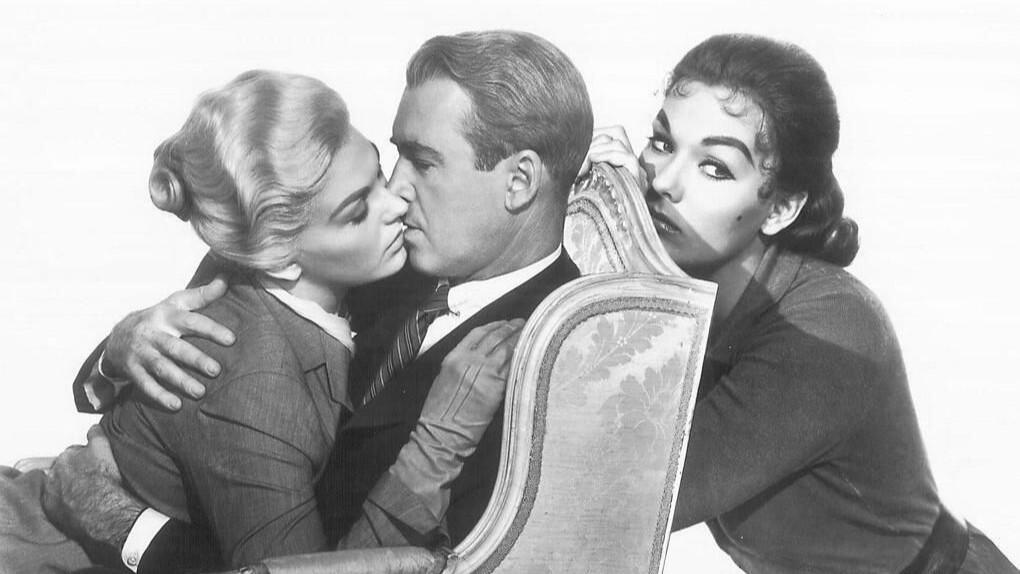
According to Freud, the loss of ego which he attributed to melancholia was a consequence of chronically looking back at the past and obsessing over an unidentifiable loss that they can’t make sense of. Unlike someone who is mourning, someone who suffers from melancholia can’t put the pieces together. They’re unable to process the past and move on. They’re stuck in the past.Vertigo, released in 1958, is an American movie directed by the Alfred Hitchcock, who is recognized as "The Master of Suspense". The film falls under the noir genre because it takes place in a western city (San Francisco) and follows, John "Scottie" Ferguson, a retired policeman. He is a very complex and ambiguous character who struggles with acrophobia, which is an obstacle for him all along the film.Gavin Elster, an old acquaintance, asks Scottie to follow his wife, Madeleine, claiming that she has been behaving strangely. Gavin fears she is being possessed by the spirit of Carlotta Valdes, Madeleine's great-grandmother, who died by suicide. Scottie follows her to different locations, before her ultimately trails her to Fort Point and rescues her after she jumps into San Francisco Bay. This incident brings them closer and they fall in love. There is a point in the film where, after Scottie drives Madeleine to Carlotta's childhood home, they express their love for each other before Madeleine suddenly runs into the church and up the bell tower. Scottie, halted on the steps by his fear of heights, sees Madeleine plunge to her death. As Scottie becomes increasingly obsessed with Madeleine, he uncovers a complex plot orchestrated by Gavin to deceive him. Tragedy ensues when Madeleine's true identity is revealed, leading to a series of shocking twists and turns. Consumed by guilt and obsession, Scottie spirals into a psychological abyss, haunted by his past and tormented by his desires.
Reeling from this loss, Scottie gets sent to a sanatorium, but upon release, he wanders San Francisco, trying to figure out what happened. He’s stuck contemplating Madeleine’s death. This ultimately leads him to Judy, who he uses as a replacement for Madeleine, even though the two woman have no resemblance. Scottie remains obsessed with "Madeleine" and asks Judy to change her clothes and dye her hair to resemble her, and she complies, until Scottie eventually finds out the truth and confronts her by forcing her up the bell tower and to make her admit her deceit. Judy reveals to Scottie that Gavin coerced her into pretending to be the 'possessed' Madeleine and pleads for his forgiveness. Scottie embraces Judy, but they are interrupted when a nun emerges from the tower, which startles Judy. In her panic, Judy falls to her death. Scottie is left standing atop the bell tower, devastated, but cured of his vertigo.The film delves into themes of obsession, identity, and loss, with the protagonist grappling with feelings of longing and despair as he navigates a world of illusions and unfulfilled desires. Vertigo captures a pervasive sense of melancholy, exploring the depths of human emotion and the haunting power of the past.[14]
03.2 Alphaville & The Human Condition
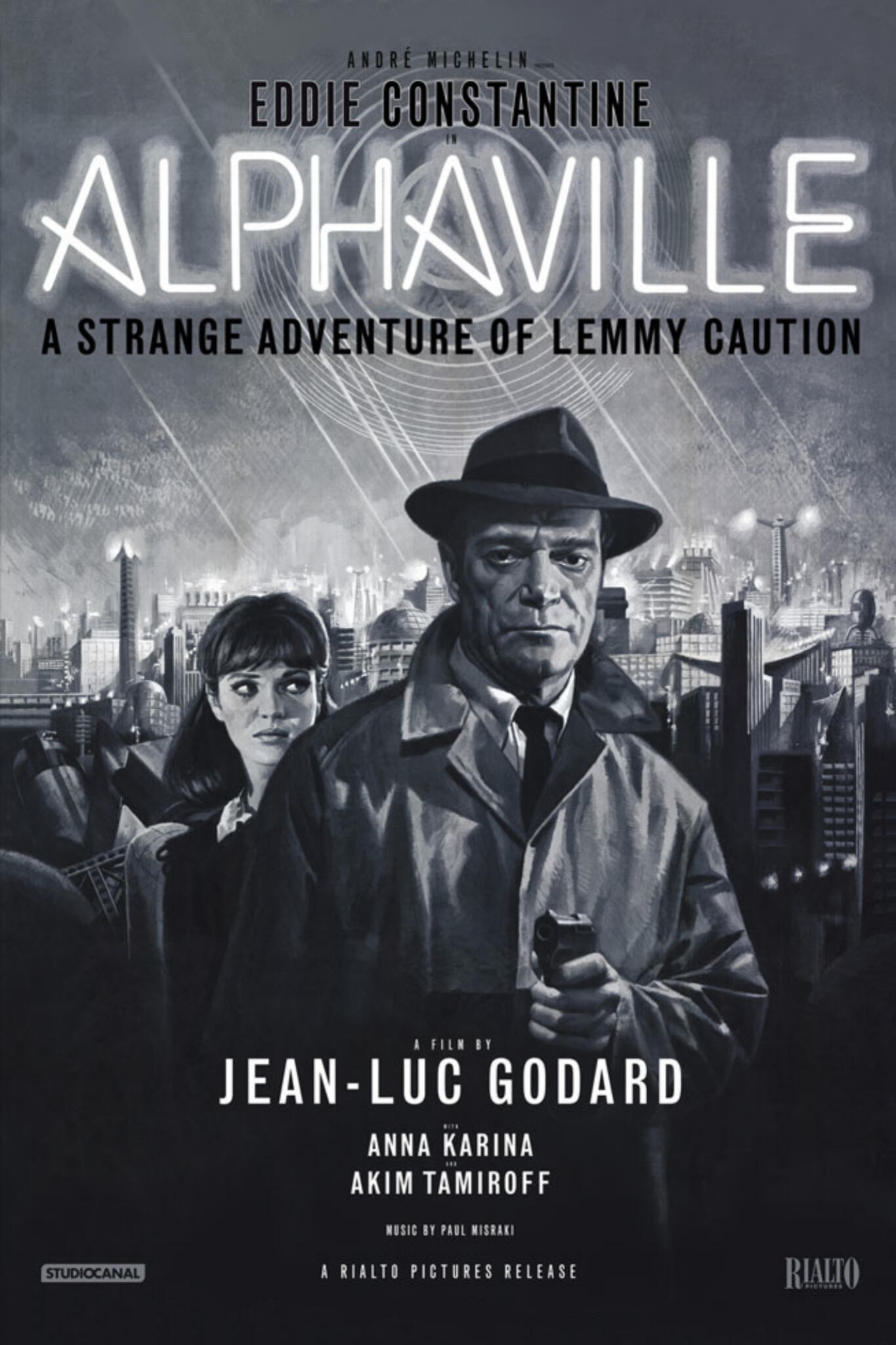
Jean-Luc Godard, Alphaville (1965)
Alphaville, directed by Jean-Luc Godard, is a sci-fi noir film set in a dystopian future where a computerized society devoid of emotions controls human behavior. The protagonist, Lemmy Caution, is a secret agent sent to Alphaville to find and destroy the computer system that controls the city and rescue a scientist's daughter.The film has a distinct aesthetic of melancholy that permeates its dystopian setting. The city of Alphaville is depicted as a cold, sterile environment, devoid of emotion and individuality. This bleak and oppressive atmosphere evokes a sense of existential despair and alienation among its inhabitants. Caution, navigates this bleak landscape with a detached demeanor, reflecting the emotional detachment prevalent in Alphaville. As he encounters various characters, including the enigmatic Natacha von Braun, Lemmy confronts the emptiness of their existence and the oppressive forces that govern their lives.
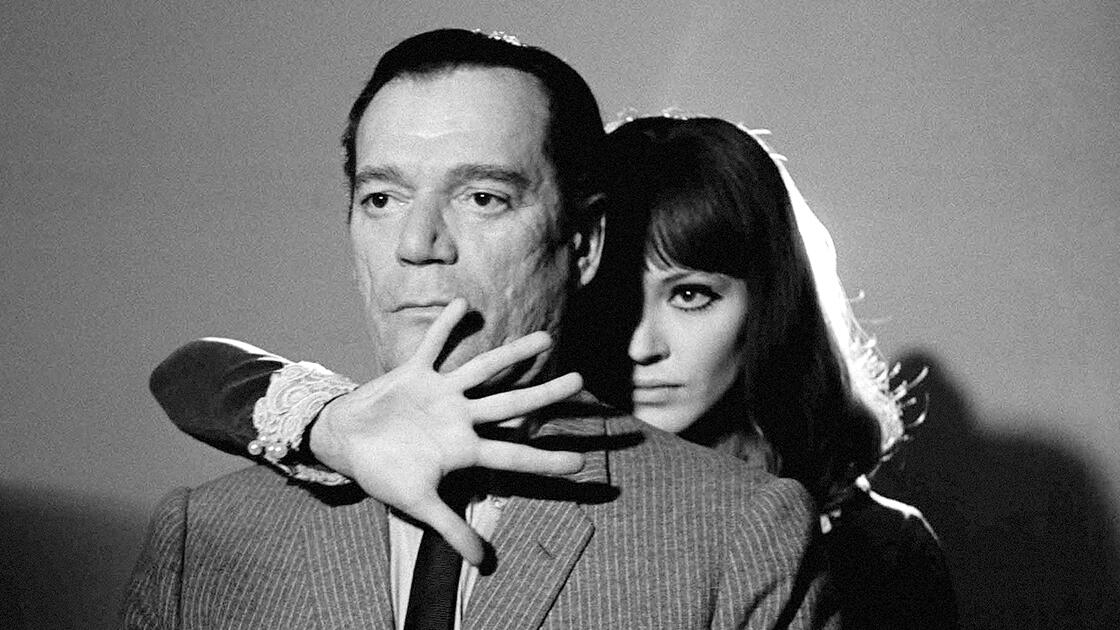
The stark cinematography, with its monochromatic visuals and austere architecture, reinforces the sense of melancholy that permeates Alphaville, contributing to the overall atmosphere of desolation and despair, emphasizing the characters' isolation and longing for connection. The film's exploration of language and communication further underscores its melancholic themes. The residents of Alphaville communicate in a sterile, utilitarian manner, devoid of emotion or nuance. This lack of authentic human interaction serves to heighten the sense of isolation and alienation experienced by the characters.Alphaville presents a haunting vision of a future society devoid of humanity, where individuals are trapped in a cycle of existential despair. The film invites viewers to reflect on the implications of technological advancement and the erosion of human connection in an increasingly mechanized world.
03.3 Blade Runner, Ghost in the Shell & What It Means to be Human
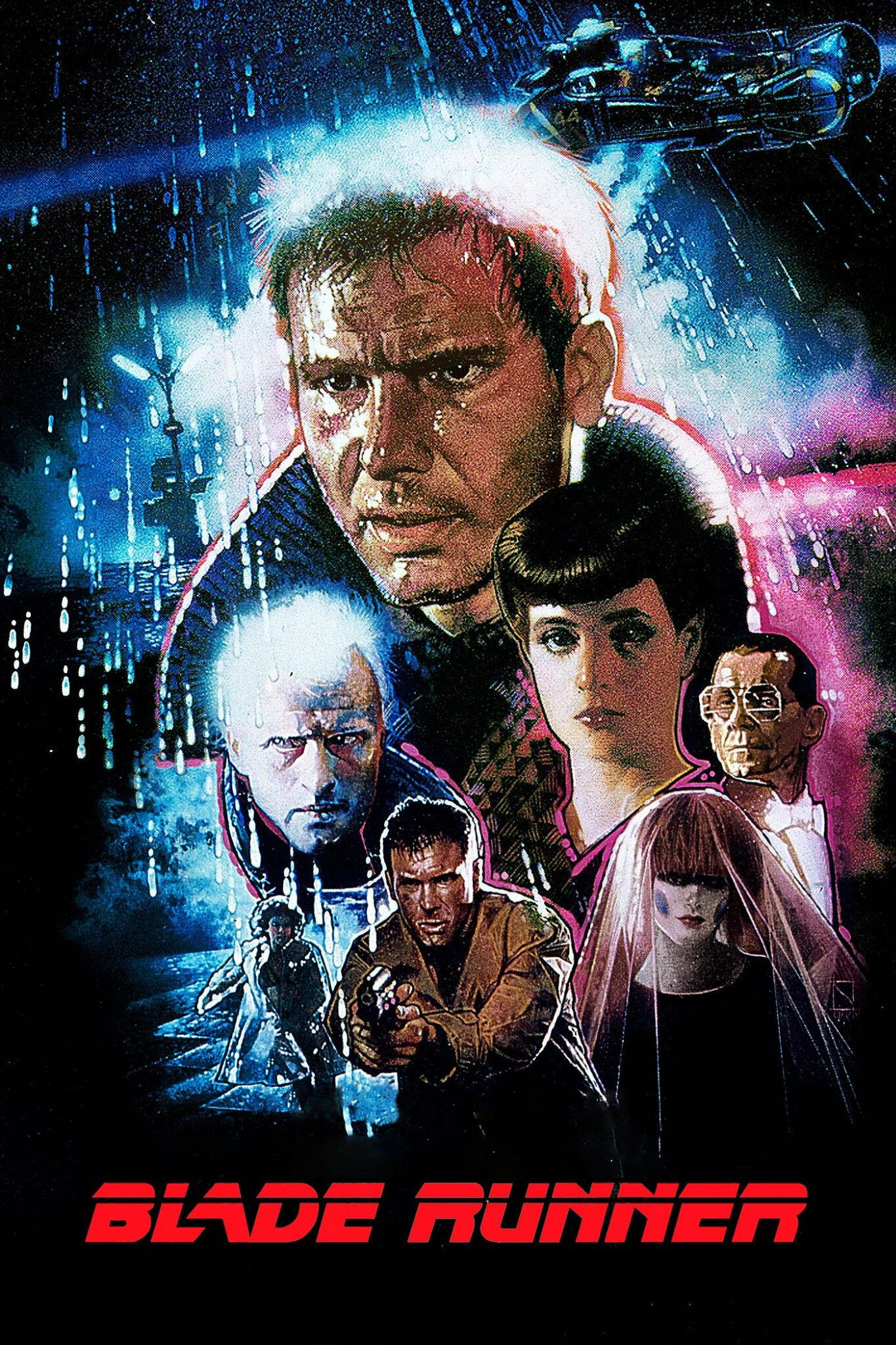
Ridley Scott, Blade Runner (1982)
Blade Runner is set in a dystopian future where genetically engineered replicants, virtually indistinguishable from humans, are used for dangerous off-world labor. Rick Deckard, a retired blade runner, is tasked with hunting down and "retiring" rogue replicants who have illegally returned to Earth. As Deckard delves into the case, he begins to question the nature of humanity and his own morality. Along the way, he encounters Rachael, a replicant with implanted memories, who challenges his perceptions of identity and empathy. As Deckard hunts the replicants, he is forced to confront the blurred lines between man and machine, raising profound existential questions about what it means to be human.
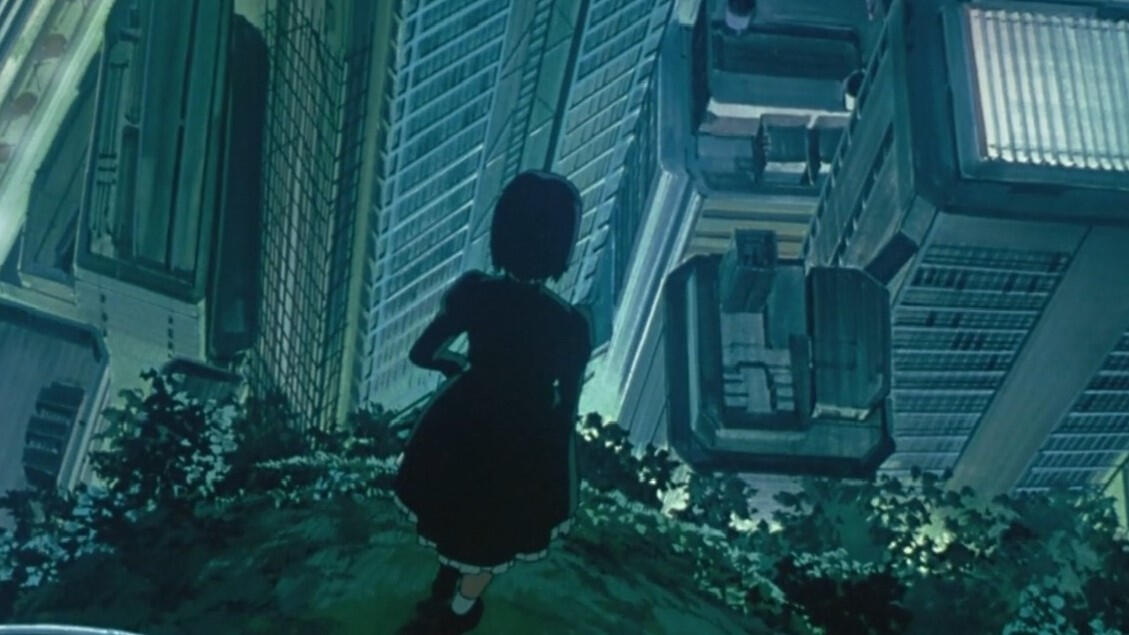
Similar to Blade Runner, Ghost in the Shell is set in a futuristic society where artificial intelligence and cybernetic enhancements are commonplace. The narrative focuses on Major Motoko Kusanagi, a cyborg agent employed by Public Security Section 9 of the government, as she looks into a string of cyber attacks carried out by a hacker known as the Puppet Master. The visual aesthetic of Blade Runner, which includes neon-lit alleyways, rain-soaked streets, and towering skyscrapers, evoke a sense of existential ennui and urban decay. These images also serve as a metaphor for the bleakness of human condition in a world destroyed by industrialization and environmental degradation, emphasizing the characters' feelings of hopelessness and alienation. Deckard and the replicants he hunts represent themes of loneliness, longing, and existential torment, which highlights the story's depressing tone.[1]Similarly, the futuristic world of Ghost in the Shell, which is characterized by expansive skyscrapers, technological developments, and existential concerns about identity and consciousness, is permeated with melancholy. Kusanagi, being a cybord, struggles with emotions of existential doubt and disconnection while navigating a world in which technology and mankind are becoming more and more intertwined. With its fusion of philosophical themes and cyberpunk imagery, the film's visual style evokes a sense of melancholic beauty and introspection, transporting viewers to a world where the lines separating humans and machines are blurred and the pursuit of meaning and identity becomes an existential journey.[4]
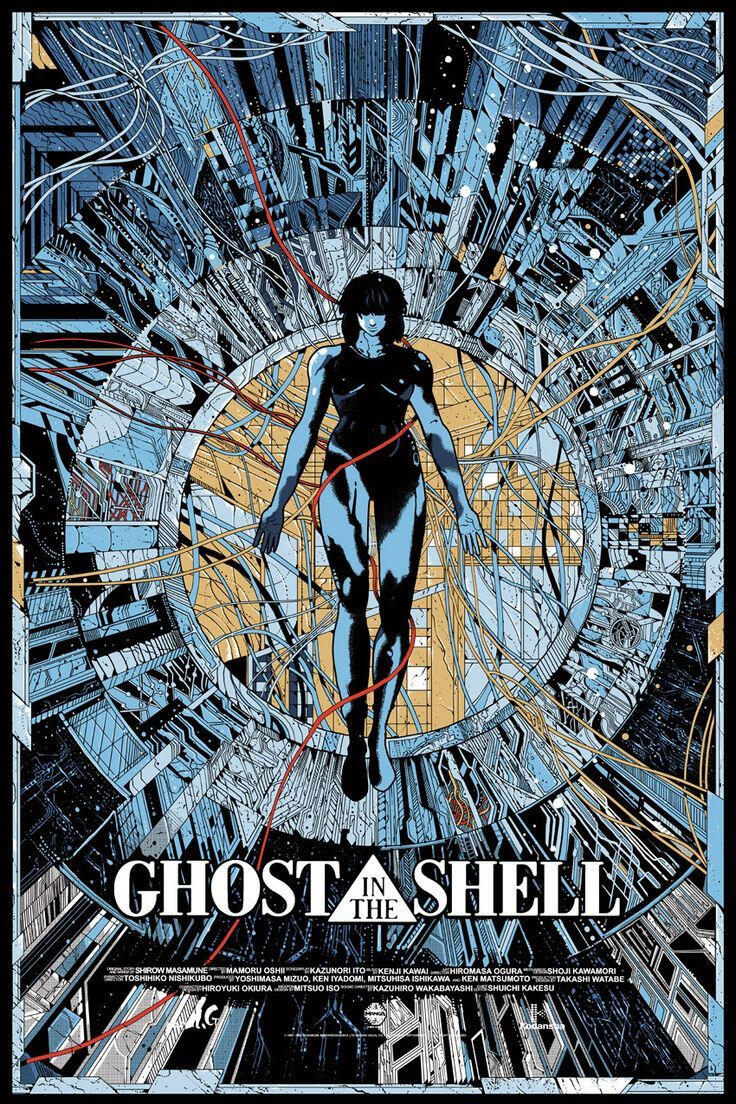
Mamoru Oshii, Ghost in the Shell (1995)
Melancholy serves as a central aesthetic motif that enriches both these films' narratives through their exploration of existential themes and atmospheric visuals. Both films invite viewers to contemplate the human condition and the mysteries of existence in a technologically advanced and often alienating world.
04. melancholy in my own art and practice
04.1 The Visual Language of Melancholy as Observed in Art & Film Noir
Melancholy has a distinct visual language in art and film, as I've explored in this thesis.In traditional art, melancholy is often conveyed through contrasts between light and dark in a technique known as chiaroscuro, subdued color palettes, and solitary figures in contemplative poses.Similarly, in film noir, the visual language of melancholy is expressed through the use of high contrast lighting, stark urban landscapes, and morally ambiguous characters. The genre's signature chiaroscuro lighting creates a sense of ambiguity and uncertainty, reflecting the moral ambiguity of its protagonists and the bleakness of their surroundings.It's clear that I also make use of contrasts in my work, through lighting, color palettes and even the characters I depict. I take a lot of visual inspiration from sci-fi noir films, and even sci-fi fantasy comics and graphic novels.

Untitled

Lonely Fury

The King of Dreams


A Chance Encounter

The Princess


Change

[Click to enlarge]

Onto You

Unexpected Side Effects

Don't Look

Watchful Eye


[Click to enlarge]
"You can be lonely anywhere, but there is a particular flavour to the loneliness that comes from living in a city, surrounded by millions of people. What does it feel like to be lonely? It feels like being hungry: like being hungry when everyone around you is readying for a feast."[8]
― Olivia Laing, The Lonely City: Adventures in the Art of Being Alone
04.2 Melancholy as a Thematic Motif
My artwork is very character and story driven, and my best work is often created when I'm in a deep reflective state, thinking about what I love and long for. I am deeply inspired by media that I consume that use melancholy as a thematic motif, because they help me understand my own emotions and art.Other than the media I consume, I am heavily influenced by my own emotions, and creating art puts me in the reflective state that is associated with melancholy. Being a queer Indian diaspora, I have very complicated emotions tied to self-identity and am often contemplating my place in the world. There is a feeling of alienation and 'othering' that is prevalent regardless of where I am due to my identity. Where do I fit in with my community back home in India? What about the queer community?Growing up in a big city only heightened that feeling of alienation. It's easy to feel lost among the impossibly tall buildings, getting swept up in crowds of other people who feel just as alienated as you. It's not necessarily a negative emotion. Sure, I've felt lonely and isolated, but reflecting on these emotions has brought me a sense of peace and helped me creatively.These complex feelings are what fuel the narratives and characters I illustrate. I tend to create and illustrate characters who are reflecting on their own existence, experiencing aspects of the human condition, because creating art is how I reflect on my own existence. Love, longing, loneliness, paranoia and fear are themes I explore and imbue in my stories and characters, because these are emotions that I myself experience and reflect on often.
05. conclusion
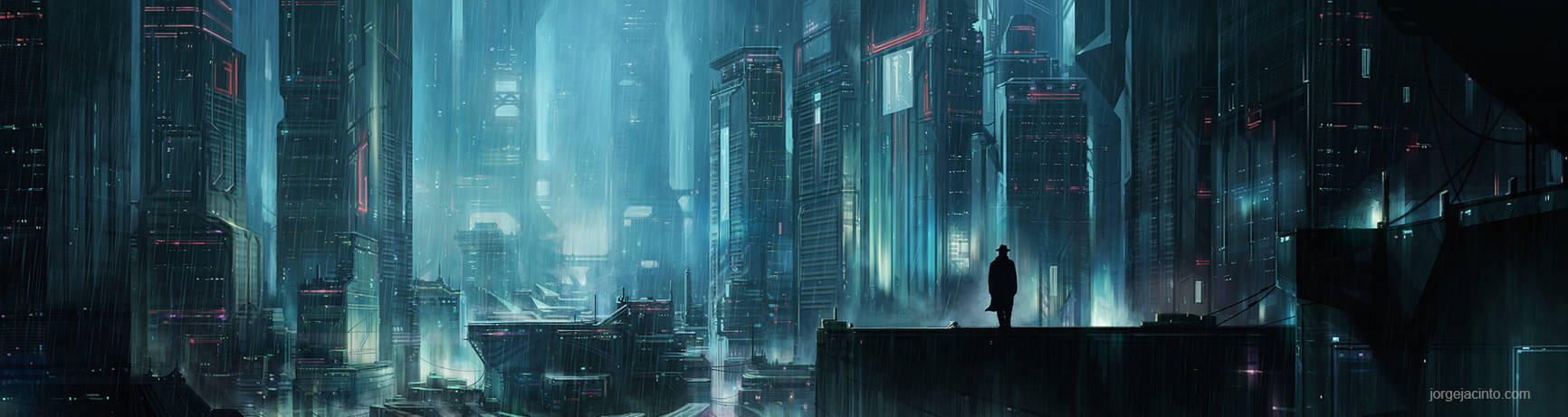
Jorge Jacinto, Future Noir (2018)
Ultimately, the aim of this thesis was to investigate the importance and lasting relevance of melancholy as a fundamental component of artistic and cinematic expression. It aims to expand our knowledge of how the state of melancholy affects how we perceive the world and provides insights into the human condition by following its development over several historical eras and cultural circumstances, which will help me better understand my own artwork and practice. By means of its multidisciplinary methodology and intricate examination, this study enhances our understanding of melancholy as a potent artistic influence in the domains of visual arts and film.Melancholy is not an unfamiliar emotion within the realm of art or film. It manifests in various forms across both modern and classical art, persisting as a timeless phenomenon. However, amidst the extremes of contemporary culture, its subtleties can often be overlooked. Those seeking more overt displays of joy, sadness, or even horror may not find satisfaction in the nuanced blend of pain and pleasure inherent in melancholy. Yet, there are individuals with a keen sensitivity to melancholy, who derive a unique sense of pleasure from its contemplative depths, artists who use their melancholy as a muse.
bibliography
[1] BFI. (2015). Blade Runner: Anatomy of a Classic. BFI. https://www.bfi.org.uk/features/blade-runner [2] Blyskal, P. (2022). Kiss Me, Deadly: The Life Lessons of Hitchcock’s “Vertigo”. Cine Montage. https://cinemontage.org/kiss-me-deadly-the-life-lessons-of-hitchcocks-vertigo/ [3] Brady, E., & Haapala, A. (2003). Melancholy as an Aesthetic Emotion. Contemporary Aesthetics. https://quod.lib.umich.edu/c/ca/7523862.0001.006/--melancholy-as-an-aesthetic-emotion?rgn=main;view=fulltext [4] Collin, R. (2014). Ghost in the Shell, Review: “a work of profound and melancholic beauty.” The Telegraph. https://www.telegraph.co.uk/culture/film/filmreviews/11123482/Ghost-in-the-Shell-review-a-work-of-profound-and-melancholic-beauty.html [5] Haacke, P. (2019). The Melancholic Voice-Over in Film Noir. Journal of Cinema and Media Studies, Vol. 58, No. 2 (Winter 2019), pp. 46-70 (25 pages). https://www.jstor.org/stable/26607206 [6] Henderson, C. (2010). Disconnect: The Persistence of Isolation in Contemporary Existence. [Senior Honors Thesis, The College of Brockport]. SUNY Open Access Repository. https://soar.suny.edu/bitstream/handle/20.500.12648/6789/honors/42/fulltext%20(1).pdf?sequence=1 [7] Kierkegaard, S. (1992). "Diapsalmata," in Either/Or, p. 44. Penguin. [8] Laing, O. (2017). The Lonely City: Adventures in the Art of Being Alone. Canongate Books. [9] Maes, H. (2023). Aesthetic Melancholy. Contemporary Aesthetics. https://contempaesthetics.org/2023/06/20/aesthetic-melancholy/ [10] (Uncredited) (n.d.). Albrecht Dürer, Melencolia I, 1514. National Gallery of Art. https://www.nga.gov/collection/highlights/durer-melencolia.html [11] Michel, L. (2021). Why Noir And Science Fiction Are Still A Perfect Pairing. Crime Reads. https://crimereads.com/why-noir-and-science-fiction-are-still-a-perfect-pairing/ [12] Miglieri, A. (2019). Night Windows: Portraits of Loneliness in the Frames of Edward Hopper and Film Noir. [Honors Thesis, Ball State University, Indiana]. Cardinal Scholar. https://cardinalscholar.bsu.edu/server/api/core/bitstreams/5b5bd22e-aa8c-415e-b997-a9169cdf2cae/content [13] Newick, S. (1982). The Experience of Aloneness and the Making of Art. Journal of Aesthetic Education, 16(2), 65–74. https://doi.org/10.2307/3332278 [14] Provizer, S., Smith, A., Manning, J., Simon, C., & Peary, G. (2024). Film Commentary: The heights and depths, the rise and fall, of Hitchcock’s “Vertigo”. The Arts Fuse. https://artsfuse.org/278812/film-commentary-the-heights-and-depths-the-rise-and-fall-of-hitchcocks-vertigo/ [15] Telles-Correia, D., & Marques, J. G. (2015, February 3). Melancholia before the twentieth century: Fear and sorrow or partial insanity? Frontiers In Psychology. https://www.ncbi.nlm.nih.gov/pmc/articles/PMC4314947/ [16] Wikimedia Foundation. (2024). Melancholia. Wikipedia. https://en.wikipedia.org/wiki/Melancholia